The protein in plant foods is abundant, especially in beans and legumes, pulses and grains, nuts and seeds, and some vegetables. Beans, legumes, pulses and grains are particularly high in protein. In order to ensure that you get enough protein in your diet, make sure you choose a high-quality plant protein powder or blend. Maintain a three-to-four-hour gap between meals to ensure you are getting consistent protein intake.
What is vegan protein made of?
Grains, legumes, and seeds are common sources of plant protein in powder form, which is produced by eliminating the majority of the fat and carbohydrates while concentrating on the protein components of the source food. Pea, hemp, brown rice, and soy protein powders are some of the most popular vegan protein sources. 08-

Is vegan protein good for you?
Vegetarians and Vegans will appreciate this excellent source of protein. According to a study published in the journal Nutrients in 2019, the vast majority of vegetarians and vegans consume an acceptable amount of protein from dietary sources. Vegan protein powder, on the other hand, is a convenient solution for folks who do not consume animal products to increase their healthy protein intake.

What does vegan protein mean?
Plant protein is simply a significant source of protein derived from plants that may be consumed as a food. Pulses, tofu, soy, tempeh, seitan, nuts, seeds, some cereals, and even peas are examples of foods that fall into this category. Beans (such as black, kidney, and adzuki beans), chickpeas, and split peas are all members of the legume family, which includes chickpeas, lentils, and other beans.
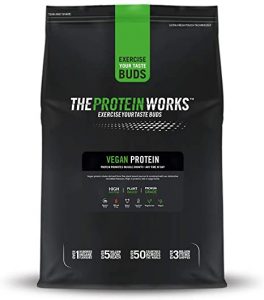
The finest plant-based sources of protein for vegans, including pulses, tofu, quinoa, nuts and seeds, cereals and vegetables, will be discussed in this article. We hope this article was useful and you found the answers to your questions. To find the most suitable vegan just visit the The Protein Works UK website.