Cambridge Theatre Facts
The Cambridge theatre is a West End theatre, on a corner site in Earlham Street facing Seven Dials, in the London Borough of Camden, built in 1929 on the site of the old Hoxton Hall. It was designed by Wimbledon architect W. G. R. Sprague and built by J. B. Mullett & Sons. The first production at the theatre was Dancing Partners by Harold Atteridge, which opened on 19 February 1929. Despite its large size (it seats 1,500 people), it has been described as “intimate”, due to its three tiers being relatively shallow; this combined with its largely uninterrupted sightlines creates “a uniquely vivid relationship between stage and auditorium”. The theatre was Grade II listed by English Heritage in September 1960.
The Cambridge Theatre is one of the Few remaining theatres from the London era which has not received any extensive modernisation – much of Wimbledon’s original architecture can still be seen today. The auditorium retains its US-style stadium seating and there are no obstructions to views of the stage from anywhere in the house. The proscenium arch is 36 feet wide and 24 feet high. The Stamford Street entrance was redesigned by Edward Stone in 1932; it features a rusticated ground floor surmounted by a balcony and a triple-arched window above, flanked by Ionic columns supporting an entablature whichstone parapet incorporating urns; the whole forms a “triumphal screen”. On either side of the entrance are statues of Comedy and Tragedy by Dame Laura Knight. There are two Boxes on either side of the Dress Circle – they project diagonally over Earlham Street and were intended to give an enhanced view down Seven Dials (London’s infamous slum) to Covent Garden Market beyond but were closed off when air-raids made them unsafe during World War II; they were reopened when peace returned but were finally closed for good towards the end of the 20th century.. The Cambridge also has a well-equipped stage door on Empire Court which backs directly onto Seven Dials; company members often congregate here before performances to soak up the unique atmosphere of this historic area of London.
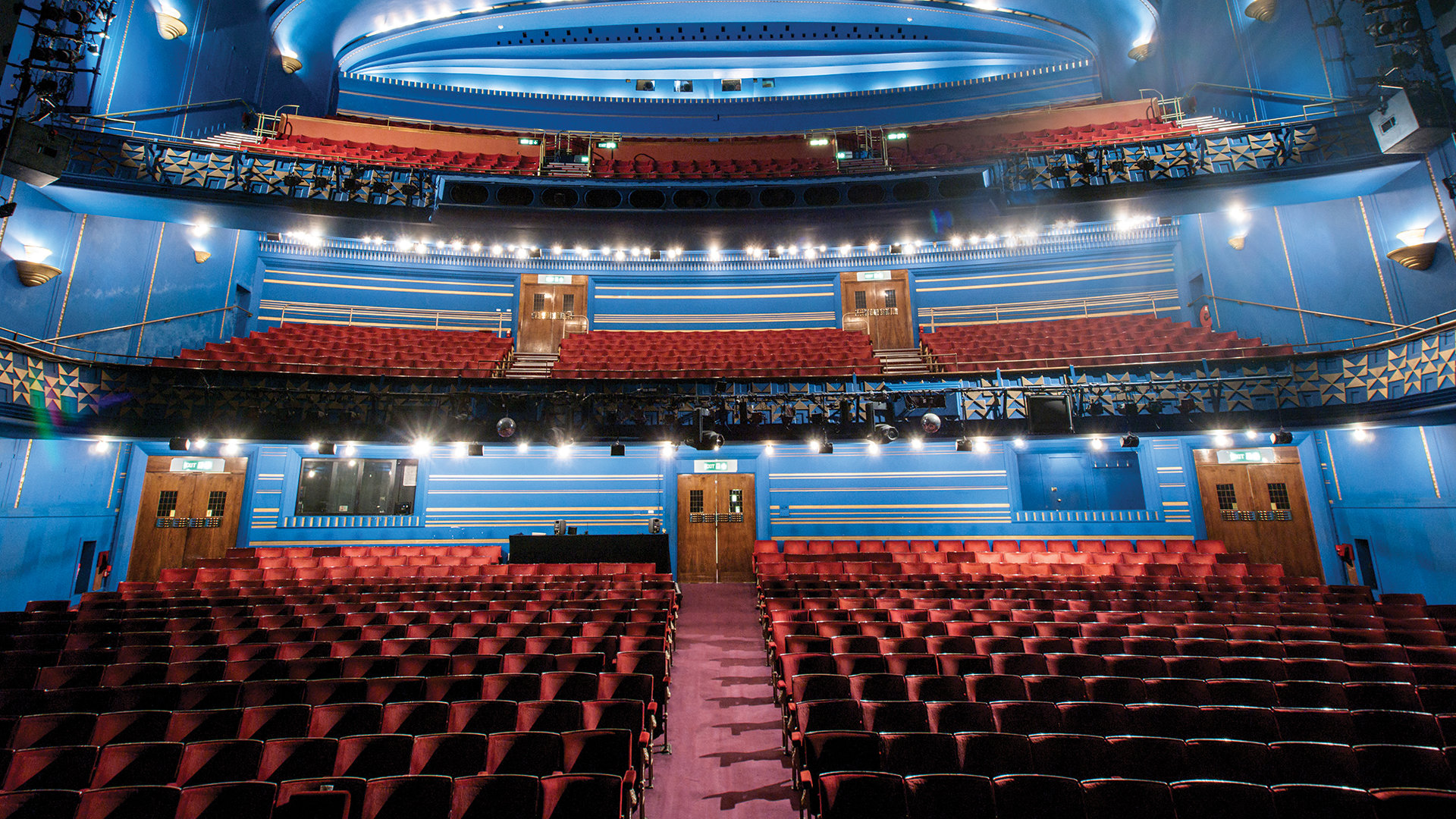
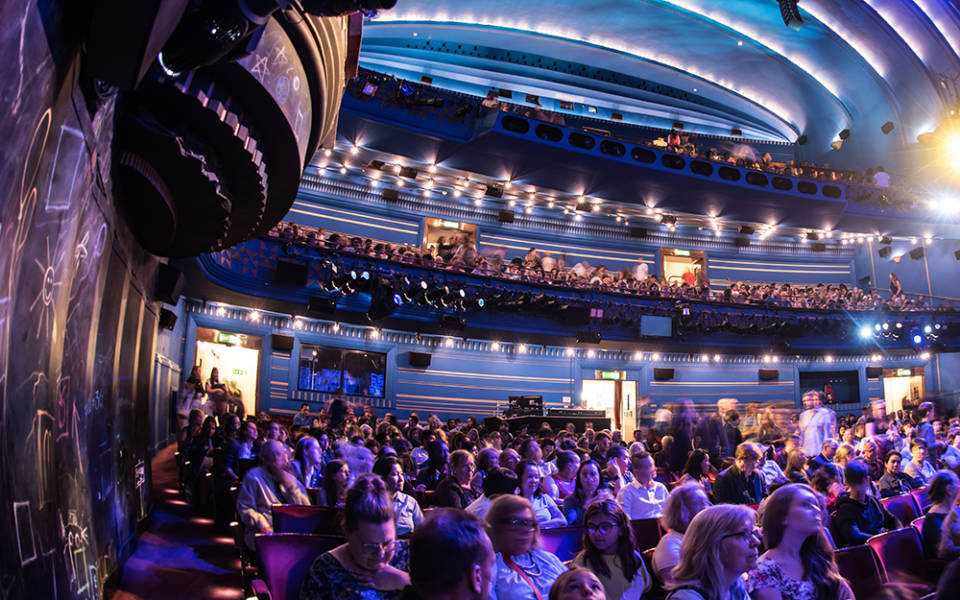
One of the most stunning theatres in the West End, this vibrant young theatre has played host to some of the most captivating and inspirational plays and musicals in recent memory. In 2000, the Cambridge Theatre became a member of the LW Theatres group, and soon after that, it hosted the contentious but enormously popular Jerry Springer: The Opera. In its small auditorium, the musical adaptation of Roald Dahl’s beloved Matilda is currently playing to sold-out crowds and rapt audiences.
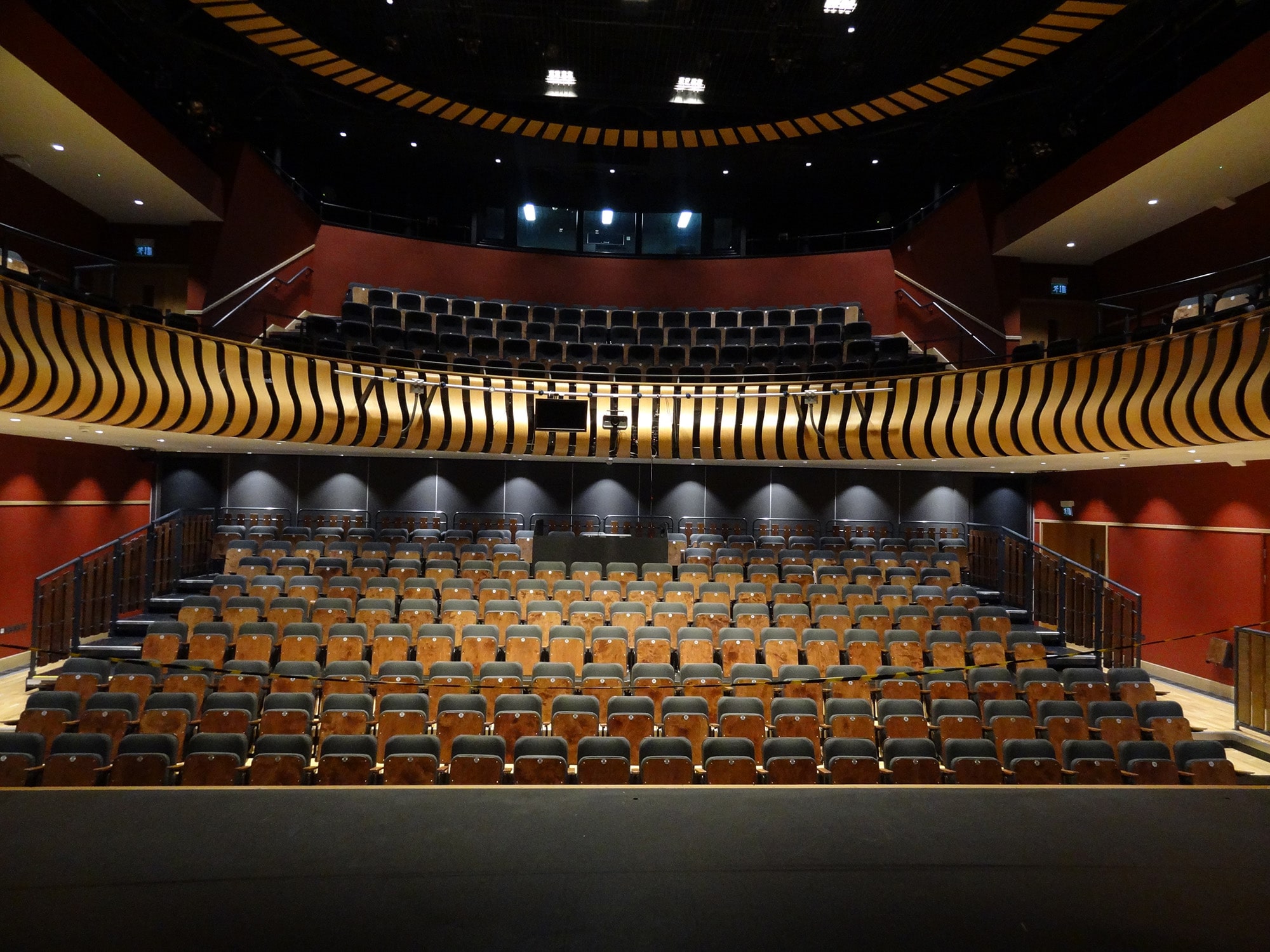
John Maynard Keynes, an economist and bursar of King’s College in Cambridge who later served as a founding member of the Arts Council England, established the Cambridge Arts Theatre in 1936. Keynes was a passionate supporter of the arts and a prominent member of the Bloomsbury Group, a collection of middle-class authors and artists centred in London’s Bloomsbury district. Lydia Lopokova, his wife, was a trained ballerina.
Keynes envisioned Cambridge as home to “a nice modest theatre” that would host amateur performances alongside the best London plays and unite “town and gown” to appreciate the enlightening effects of the performing arts. Keynes envisioned a location where the best examples of the five arts—theatre, cinema, opera, dance, and music—would be presented. This goal was reflected in the five-sided pentagon that served as the Cambridge Arts Theatre’s logo.
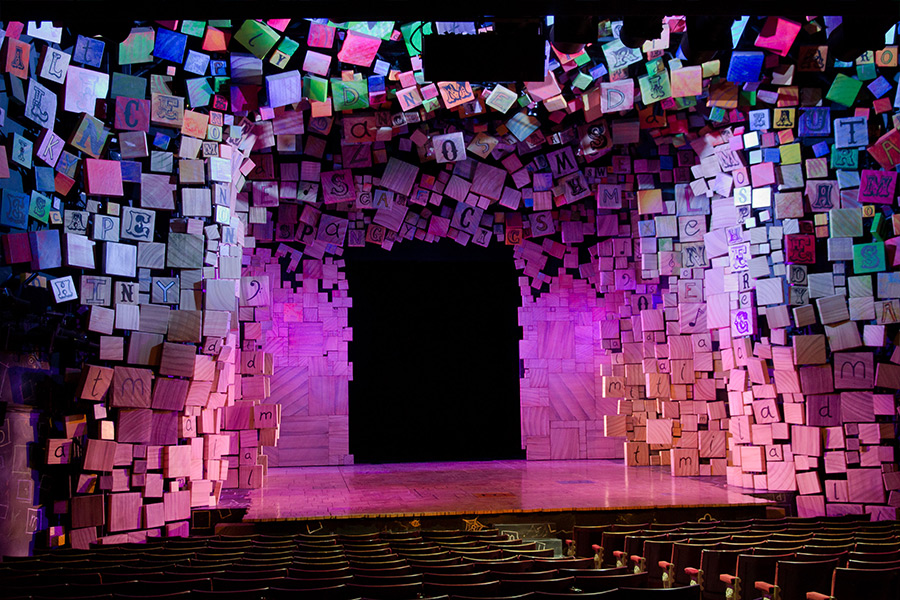
The Cambridge Theatre is a rare, complete and early example of a London theatre adopting the moderne, expressionist style pioneered in Germany during the 1920s. It marked a conscious reaction to the design excesses of the music hall and contemporary cinemas. Theatres looked for a new style appropriate to the greater sophistication of their entertainment and found it in the Germanic moderne forms of simple shapes enlivened by concealed lighting, shiny steelwork and touches of bright colour; this was not taken up by cinema designers until 1935.
The plays at the theatre have also contributed to the youthful atmosphere in Cambridge. Peter Pan, The Boy Who Wouldn’t Grow Up, lived here for a long time. From JM Barrie’s 1943 play to Lulu’s 1987 performance as Tinkerbell in the American musical adaptation of the tale. Finally, in 1994, Ron Moody and Nicola Stapleton gave the story a contemporary twist in Peter Pan – The British Musical. The musical adaptation of Roald Dahl’s Matilda The Musical by the Royal Shakespeare Company has been performing to sold-out audiences since 2011, proving that this youthful vitality is still very much alive and well.
Cambridge theatre is a must-visit for any theatre lover. Situated in the heart of the city, the theatre has been entertaining audiences for over two hundred years. Today, it continues to host an eclectic mix of productions, from Shakespearean dramas to contemporary comedies. The theatre is also home to an award-winning restaurant, which offers pre-show dining for those who want to make a night of it. Whether you’re a seasoned theatregoer or a first-time visitor, Cambridge theatre is sure to delight.
About LW theatres
Andrew Lloyd Webber, a renowned theatre entrepreneur, is the owner and operator of LW Theatres, formerly known as Really Useful Theatres. LW Theatres is the owner of six West End theatres as well as The Other Palace, an off-West End location for developing new musical theatre.
We are always seeking for new, innovative, and better ways to do things. to truly elevate each customer’s experience.
To better reflect this, we changed our name from The Really Useful Theatres to LW Theatres in July 2018 and improved the appearance of our website. We also looked for innovative methods to enhance our services. From the time you order your ticket to the time you leave our theatres, we want you to appreciate every second spent with us. LW Theatres is the official site to purchase your tickets, whether you’re coming to see enduring classics like The Phantom of the Opera or thrilling new productions like Cinderella.