Big smartphone debuts in 2022 will be, with a few notable exceptions, iterative. There hasn’t been much of a reason to upgrade this year because of the steady stream of minor refinements that have been made to existing devices. In general, you can safely wait another year if you purchased a flagship phone within the past two years and are satisfied with its performance. But if you’re in the market for a new one, you’ll be pleased to know that the current crop of high-end gadgets is marginally superior; it’s more developed and has had its few remaining rough edges ironed out.
There is one thing about this year’s top-tier freshmen that hasn’t changed. Caused by the exorbitant costs, naturally. They haven’t gone up much, which is good news, but you can still expect to pay $800 to well over $1,000. Even with the typical carrier payment plans of two or three years, that’s still a lot of money.
The featured smartphones below offer superior day-to-day performance, top-notch cameras, and a long lifespan (four, five, or even six years) of reliable use. The ideal phone for you is the one that best suits your needs, regardless of how much it costs.
1. Apple iPhone 14 Pro and Pro Max
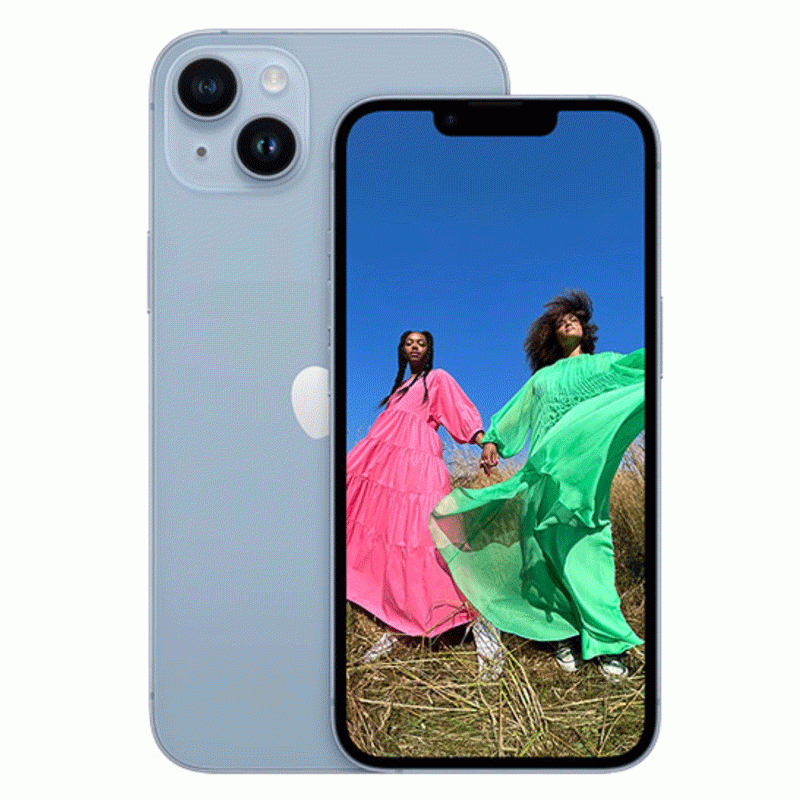
Some iPhone users, especially those upgrading from an iPhone 12 or 13 last year, may be waiting another year before making the leap to the newest model. However, the iPhone XS Max or XS Pro is the way to go if you need a new phone immediately and want the greatest gadget available. The “Dynamic Island,” a whimsical mash-up of hardware and software that transforms the notch into a shape-shifting status indicator, is one such novel innovation introduced by Apple with the iPhone 14 Pro and Pro Max that is absent from the basic iPhone 14. New high-resolution cameras and an always-on screen are also included.
The best iPhone you can purchase right now is the iPhone 14 Pro, which starts at $999. However, it’s more of a promotion for early adopters. There’s a lot to like, but I’m confident Apple has lots of potential to hone and perfect these features in the years to come. Consider the iPhone 13 from 2016 if you’re hesitant to spend $1,000 on a brand-new design’s debut model. There isn’t much of a difference between the iPhone 13 and the iPhone 14, and the 13 is still on sale for as little as $699. That’s the one we recommend most strongly, though the 14 Pro has a lot to offer as well.
The display size of the 14 Pro is 6.1 inches, while that of the Pro Max is 6.7 inches. Like last year’s models, these are ProMotion monitors with adjustable refresh rates of up to 120Hz, making for silky-smooth transitions between images and animations. When the phone is locked, the screen dims and enters a low-power mode, with frame rates as low as 1Hz, yet the time, widgets, and wallpaper all stay visible. As a result, you won’t have to wake the screen just to see the clock or check for notifications.
Another novel feature of the presentation is the inclusion of Dynamic Island. Apple transformed the notch—the space at the top of the display reserved for the selfie camera and Face ID sensors—into a pill-shaped cutout that dynamically expands (get it?) to reveal the status bar and other notifications. It’s a convenient spot to glance at and see what your phone is up to, whether you’re listening to music, sharing files using AirDrop, or navigating. It’s wonderful, but it’s not worth upgrading for right now because Apple and third-party developers will keep making it more useful in the coming years.
The 14 Pro also has a new 48-megapixel main camera, which uses pixel binning to maximize light sensitivity and produce 12-megapixel images. The real-world improvements are subtle, with more fine detail in shadows and in low light, but the differences compared to a standard 12-megapixel sensor in the iPhone 14 are hard to see unless you’re looking really closely. The higher-resolution sensor also enables a 2x telephoto mode that’s essentially a 12-megapixel crop from the middle of the sensor. It’s the new default view for portrait mode, and it’s one that feels like a happy medium between the wide and 3x telephoto that have been the only options on iPhones past.
Outside of the new stuff, there’s a lot that’s familiar. The phone’s battery gets through a moderate day of use, though it seems to run down a little faster than the 13 Pro. The camera may not be the leap forward in photography that Apple claims it is, but it’s still one of the best in the game and records stunning video clips. And the new A16 Bionic chipset handles intensive tasks like gaming without a problem.
2. Samsung Galaxy S22 Plus
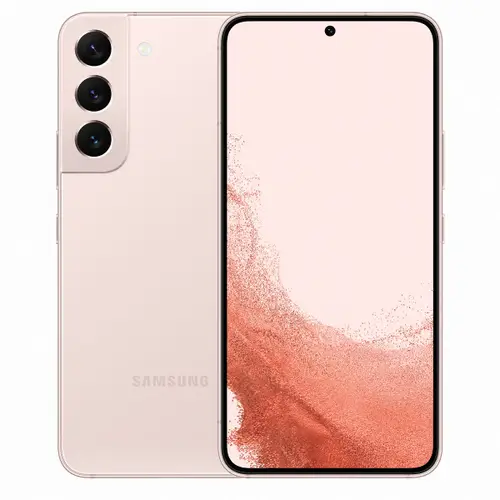
There is no shortage of low-priced phones available to consumers in the United States, but there is less variety when it comes to high-end Android devices. Fortunately, the available choices are excellent. Although the Google Pixel 6 is a strong competitor, we believe that the Galaxy S22 Plus is the greatest Android device for the vast majority of users.
The S22 Plus has three high-quality back cameras, a large and bright 6.6-inch screen with a 120Hz refresh rate, and the outstanding flagship-grade Snapdragon 8 Gen 1 processor. While the S22 Ultra’s 10x telephoto and built-in S Pen are unavailable, the ordinary S22’s larger display is welcome. It’s got just the perfect amount of bells and whistles and is the right size for the vast majority of consumers.
The 1080p display is crisp and clear, with a maximum refresh rate of 120 frames per second. Simply put, it’s a joy to work with. The camera system is versatile and reliable, and it has a great portrait mode, even without the Ultra’s 10x zoom. It has a basic, modest design, and an IP68 rating for superior dust and water resistance. Lighter users may expect to get a full day out of the 4,500mAh battery, while moderate and heavy users that stream a fair amount of video would likely drain the battery into the single digits by the end of the day. While its battery life may not be as impressive as that of other premium smartphones, it should be sufficient for the majority of users.
As one of the longest-lasting Android phones, the S22 Plus has a shelf life of at least four years thanks to Samsung’s promise of software OS upgrades. Although Samsung has made improvements, we still find the software to be the most frustrating aspect of their phones. A slimmer alternative is the OnePlus 10 Pro. It has inferior cameras than Samsung’s, will only receive three operating system updates instead of four, and will not receive as frequent software updates. But other than that, it’s a great gadget with a little upgraded user interface.
Despite some minor issues with the battery and software, the S22 Plus has a lot going for it. You shouldn’t assume its success is predicated just on the fact that it is one of the few truly high-end Android phones available in the US at the moment; it is, in fact, a very fine smartphone.
3. Apple iPhone 13
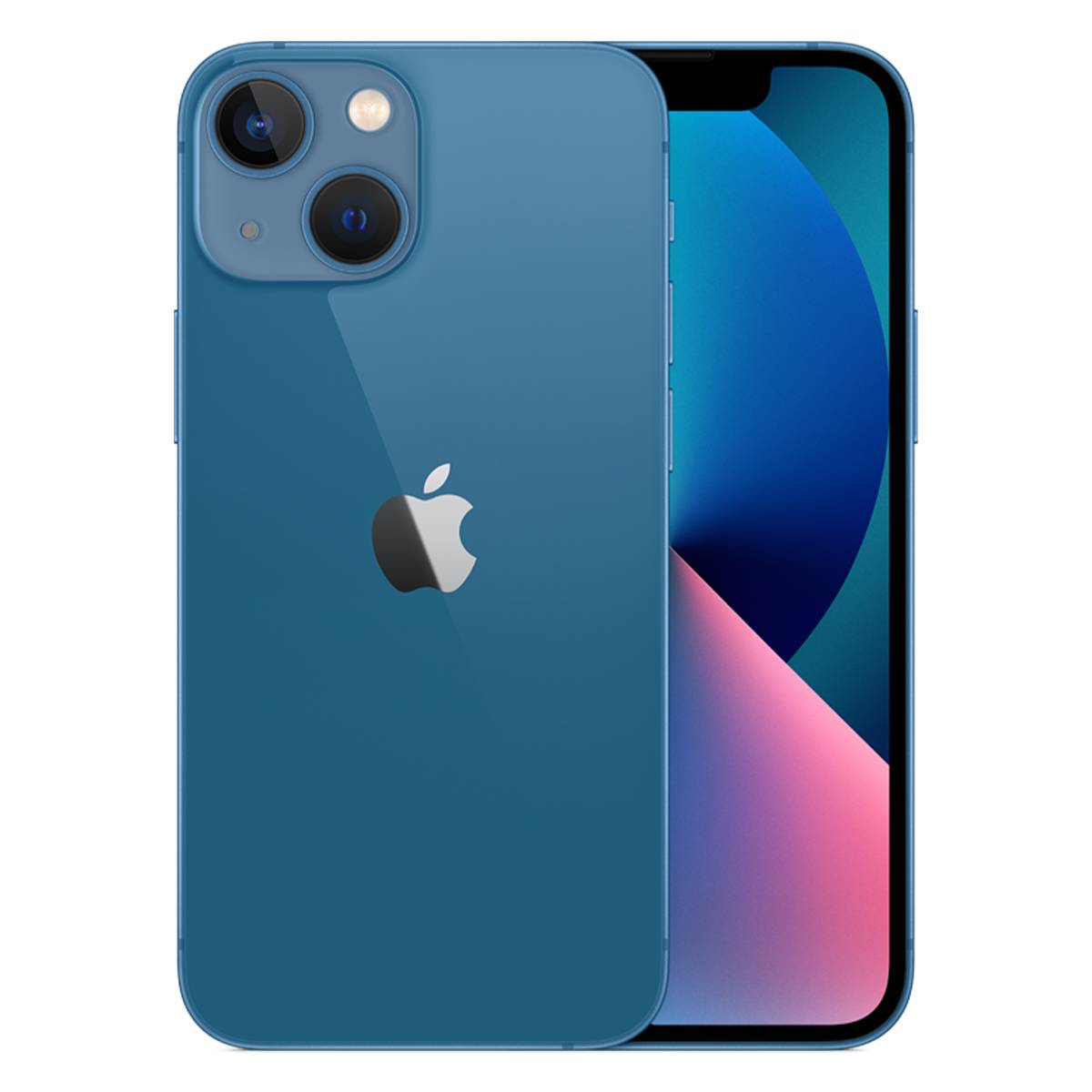
If you need a new iPhone but don’t want to upgrade to the 14 Pro, the iPhone 14 is a no-brainer. But hear me out: the iPhone 13 is $100 cheaper and performs almost as much as the 14. If your service provider is willing to make a generous trade-in offer or provide really affordable financing for the 14, or if you simply desire the (little) enhancements introduced each year, then by all means, go ahead and make the purchase. I think it’s fantastic. If you can’t take advantage of a trade-in offer or are paying full price, we recommend the regular iPhone 13 over the iPhone 14. The $799 14’s upgrades aren’t substantial enough to justify the price increase.
No compromises in viewing experience or processing power are made with the 13. The iPhone 13 and 14 both have 6.1-inch screens, but only the former has a regular refresh rate (no ProMotion for fluid screen transitions). Both handsets use the A15 Bionic processor, and while the 14’s is somewhat superior thanks to an additional GPU core, you should expect nothing less than stellar performance from either. Both are water and dust proof to an IP68 standard and are compatible with the MagSafe charging standard.
When upgrading to the 14, your camera system is somewhat improved. While the main camera’s larger sensor helps it retain some information in low light, the ultrawide and front-facing cameras do slightly better. The changes are subtle, and most people won’t notice until they look closely; this is especially true when viewing photographs at the sizes recommended for use on the web and social media.
Moreover, you won’t have access to a few safety options in an emergency. The new Crash Detection function in the 14 utilises various sensors to determine if a collision has occurred and then immediately contacts emergency personnel. If you find yourself in a situation where you need to send an urgent message, you can use a satellite-based service even if you’re not in cellular range. While some users may find these features to be worthwhile, the vast majority of us can probably get by just fine without them.
Both the iPhone 14 and iPhone 13 appear nearly identical from the outside. It’s important to note the obvious physical differences. To begin, the iPhone 14’s camera bump is slightly larger, so a case designed for the iPhone 13 won’t fit. Apple made certain improvements to the iPhone 14’s rear panel that make it considerably simpler to repair the glass and aluminium housing if they ever break. That’s good news because it means DIY repairs won’t break the bank and will be easier to tackle.
Additional noteworthy new iPhone features this year are exclusive to the more expensive Pro variants. It’s a good idea to upgrade to the Pro model of the iPhone if you’re an early adopter or if you just want the best phone available right now. In contrast, the iPhone 13 will serve you just as well as the 14 — for a little less money — if you’re just looking for a solid device to get you through the day, shoot beautiful photographs and video, and keep the blue-bubble conversation a-flowin’.
4. Samsung Galaxy S22 Ultra
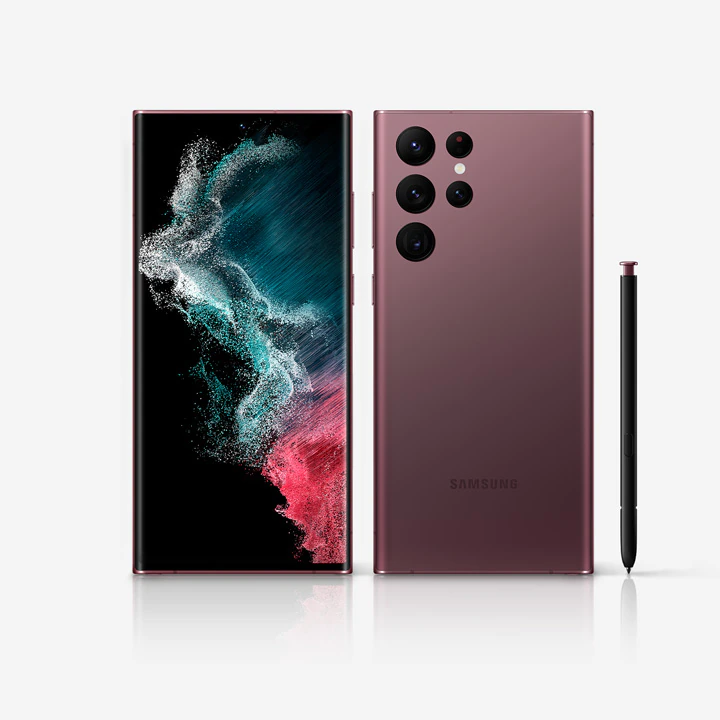
When it comes to Samsung’s Galaxy range, the “Ultra” designation no longer simply denotes the largest model; rather, it now implies the largest model with every conceivable extra. There are no less than five cameras on the S22 Ultra, a large and dazzling 6.8-inch OLED with up to 120Hz refresh rate, and, oh yeah, a built-in stylus. It’s the next instalment in Samsung’s Note line, but more than that, it feels like the final iteration of the slab-style smartphone. As a corollary, the price tag is a hefty $1,200.
The S22 Ultra’s brains are the Qualcomm Snapdragon 8 Gen 1 CPU and 8 or 12GB of RAM. Unsurprisingly, the phone’s performance is top-notch; even while playing graphically intense games, it hardly ever stutters or lags. Samsung has also guaranteed OS version improvements for as long as four generations, so the Ultra should continue to be a great phone for a long time.
The bundled S Pen stylus can be popped out of its own slot on the phone’s underside, and Samsung claims it has reduced latency compared to prior S Pens. The difference between a few milliseconds faster and a few seconds faster is little, but the interface is quick and intuitive. Handwriting-to-text recognition functions and the rather gimmicky “Air Actions” that transform the stylus into a magic wand/remote control combo are just the beginning of the stylus’s capabilities. You can even choose to forego the stylus altogether and doodle furiously. You get to decide.
The cameras are nearly identical to the S21 Ultra’s, with a primary camera that records at 108 megapixels, as well as 3x and 10x telephoto lenses, and a few software enhancements. The Ultra’s portrait mode captures some of the best subject isolation shots, and you can now combine night mode with either the high-resolution or portrait shooting modes. The S21 Ultra’s excellent camera technology is replicated here, and its 10x telephoto is among the best available on a smartphone.
The S22 Ultra’s battery life isn’t great, especially considering how much the device relies on its various power-consuming functions. In most cases, a single charge will be plenty to get you through the day, but heavy users should keep a check on the battery percentage during the day and consider topping off the 5,000mAh cell. However, thanks to fast 45W connected charging, this is a rather short task.
The S22 Ultra is your best bet if you’re set on living the stylus life and would make frequent, rather than occasional, use of a 10x zoom. It’s not our top pick for the finest all-around Android phone because its speciality features are so narrowly focused, yet powerful. The S22 Ultra stands alone among smartphones, though, if you need a device that can handle virtually any task.
5. Apple iPhone 13 Mini
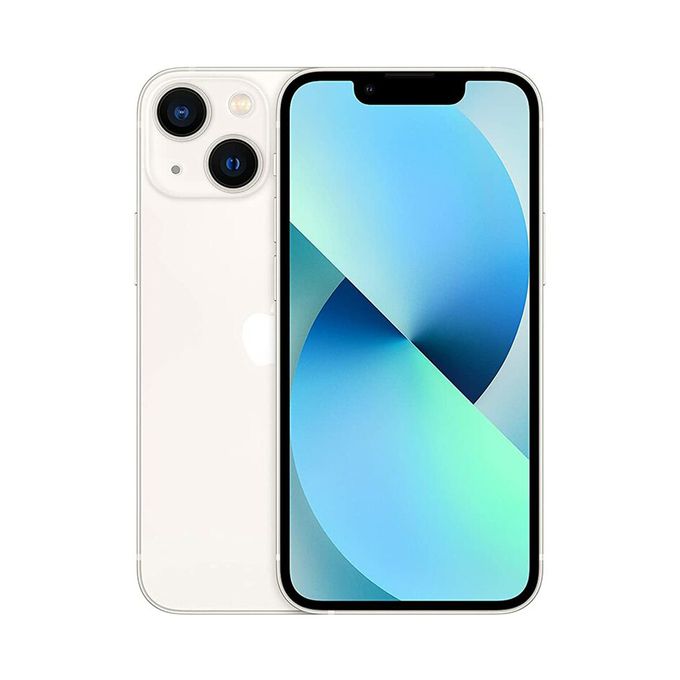
The iPhone 13 Mini is one of the only little smartphones available with premium hardware and software; its speed, durability, and imaging capabilities are all top-notch. Instead of announcing a new Mini, Apple went with a big-and-bigger strategy with the 14 series, releasing a 6.1-inch 14 and a 6.7-inch 14 Plus. If you want a compact iPhone that still has all the bells and whistles, the 13 Mini is probably your final chance.
The Mini’s 5.4-inch screen is smaller than those of nearly all other recent smartphones, but it’s plenty big for texting, emailing, surfing the web, using applications, watching videos, and playing games; in fact, if you’re upgrading from an iPhone 6, 7, or 8, you might even find it too roomy. It’s also a manageable size, so even grownups with little hands can operate the entire interface with just their thumb. A PopSocket is unnecessary.
One major drawback having a smaller phone is that the iPhone 13 Mini’s battery won’t sustain a heavy user through an entire day without charging. Someone who doesn’t spend all day staring at their phone might benefit most from it. When it comes to design, processing power, cameras, 5G support, and general quality of construction, the Mini is identical as the iPhone 13. It’s simply a little cheaper and smaller than the competition (by roughly $100).
The Asus Zenfone 9 is a solid choice if you’d rather use an Android phone. It has a larger 5.9-inch display than the 13 Mini and isn’t compatible with Verizon’s network, but other than that, it’s a pretty similar offering: premium materials, a powerful processor, and cutting-edge features like a 120Hz display are all packed into a compact form factor.
Best mobile deals on
Affordable Mobiles
At Affordable Mobiles, they want you to Feel the Deal. With epic low prices on your favourite mobiles, tons of data, huge discounts on upfront costs, the best UK networks, and free next-day delivery, there’s just no feeling like buying from Affordable Mobiles. See for yourself…