In a world where poverty is deepening the gap between the haves and have nots, Oxfam is a force to be reckoned with. Oxfam International is a confederation of 20 organizations working in more than 90 countries to address the root causes of poverty, injustice, and suffering. Oxfam is a confederation of organizations working to end poverty and injustice through the provision of humanitarian aid, sustainable development, and policy influencing. With our partners in the confederation, Oxfam is leading a global campaign for a better future where people have a fair chance, are protected by their rights, and have access to resources.
The Global Inequality Crisis
Inequality is one of the biggest problems that the world is experiencing in the present generation. The inequality between the rich and the poor has never been this bad; a few people own almost all the wealth in the world while billions of people cannot afford basic necessities such as food, clean water, health care, and education. Economic injustice is usually linked to other injustices like gender injustice, racial injustice and injustice in the distribution of resources and opportunities.
This is the basis of Oxfam’s work because poverty is not only defined by the absence of resources but by unjust structures. These systems are normally motivated by prejudice policies, self-interest and culture that supports the elites as opposed to the downtrodden. In this way, through promoting the change of these structures, Oxfam is striving for the world where each and everyone will have an opportunity to succeed irrespective of the conditions they were born into.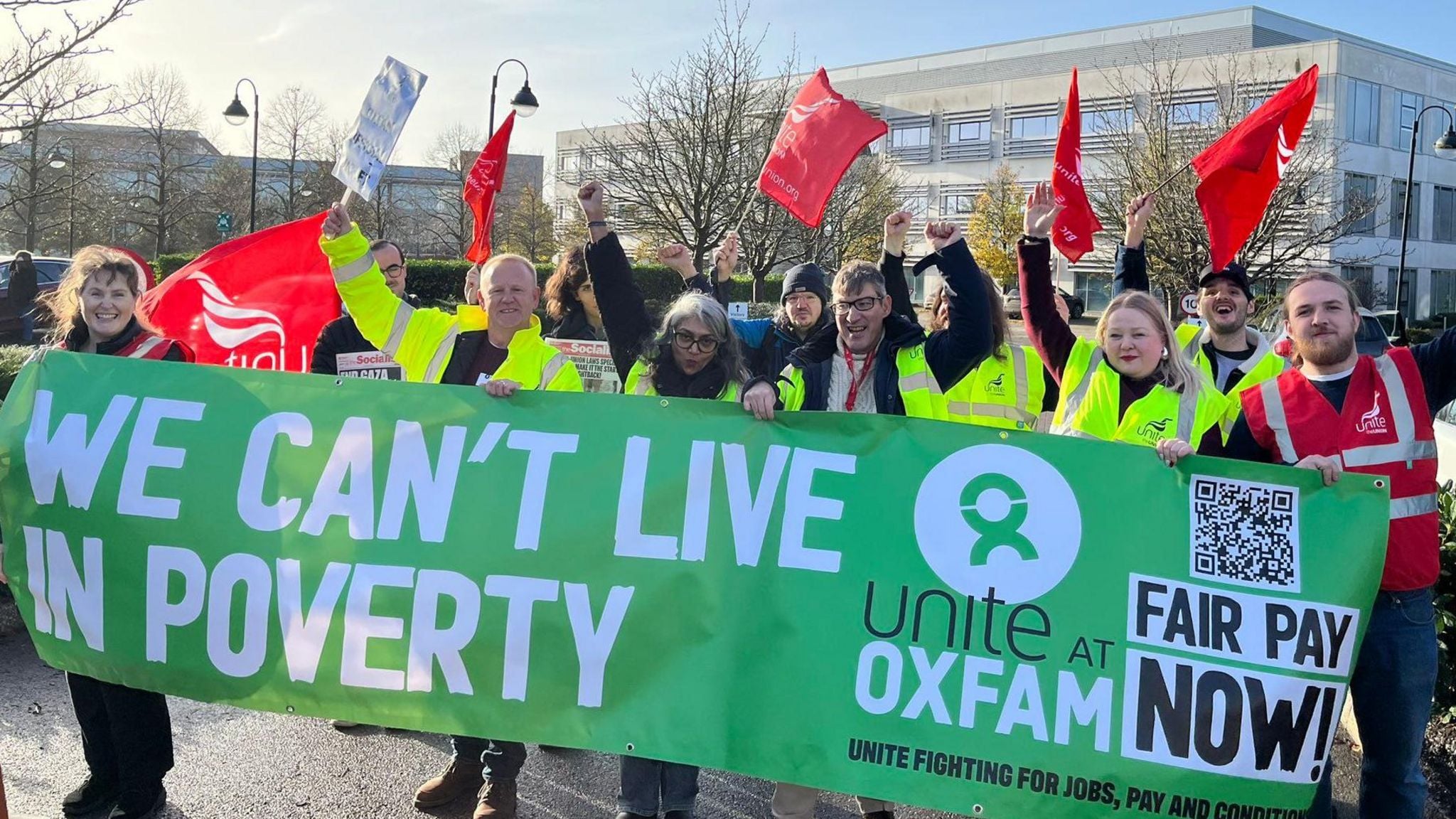
Oxfam’s Global Network: Collaboration
Another major asset of Oxfam is its worldwide affiliation which comprises 21 affiliates working in the fight against inequality. This network enables Oxfam to work across different levels, from grassroots to international levels. Through the partnerships with the local communities, governments, and other partners, Oxfam makes sure that its operations are relevant to each country it operates in but at the same time, it addresses the global problems in a coherent manner.
Through this network, Oxfam is able to:
Globalization of ideas and practices to make sure that the best practices are adopted in all countries and regions.
Engage and support local stakeholders especially NGOs since they are familiar with the problems and possible solutions within the community.
It should act as a pressure group at both national and international levels, mobilizing its members to lobby governments, companies, and other global bodies to adopt policies that will address inequalities.
Tackling Economic Inequality: A Global Challenge
Economic inequality is a key driver of many of the world’s problems, and Oxfam’s international affiliate is addressing this problem in several ways. Oxfam has been active in this area, for instance, through its Inequality Report published every year and which focuses on the increasing gap between the rich and the poor across the globe. It has thus transformed into a useful instrument in creating awareness on the issue of inequality and in lobbying for the changes in policies that address the issue of wealth distribution.
Oxfam’s work in economic justice includes:
Advocating for fair taxation: Oxfam also advocates for the progressive taxation that would make the richest people and companies to pay more taxes. This involves fighting against tax havens and other mechanisms that enable the super-rich to evade taxes, which in turn denies governments the revenue they need to finance public services.
Supporting living wages: Oxfam supports workers’ freedoms, freedom to demand a living wage through which people can be able to live decent lives. This is especially relevant in most developing countries where employees in sectors such as textile and apparels, agriculture and manufacturing receive wages below the poverty line.
Fighting corporate greed: Oxfam campaigns against companies that put profits before people, advocating for business that are responsible to workers, the environment and that trade fairly.
Gender Justice: Empowerment of women and girls
Gender injustice is still one of the most significant injustices that are witnessed in the world today especially as it relates to the oppression of women and girls. This is an area that Oxfam’s global network is striving to respond to through its Gender Justice programs which seek to transform the lives of women and ensure gender equality and zero tolerance to violence against women.
Oxfam understands that women and girls are the worst affected by poverty and inequality, denied their rights to education, health, decent employment, and political voice. Oxfam’s work on women’s leadership and economic opportunities supports women to move out of poverty and become change makers.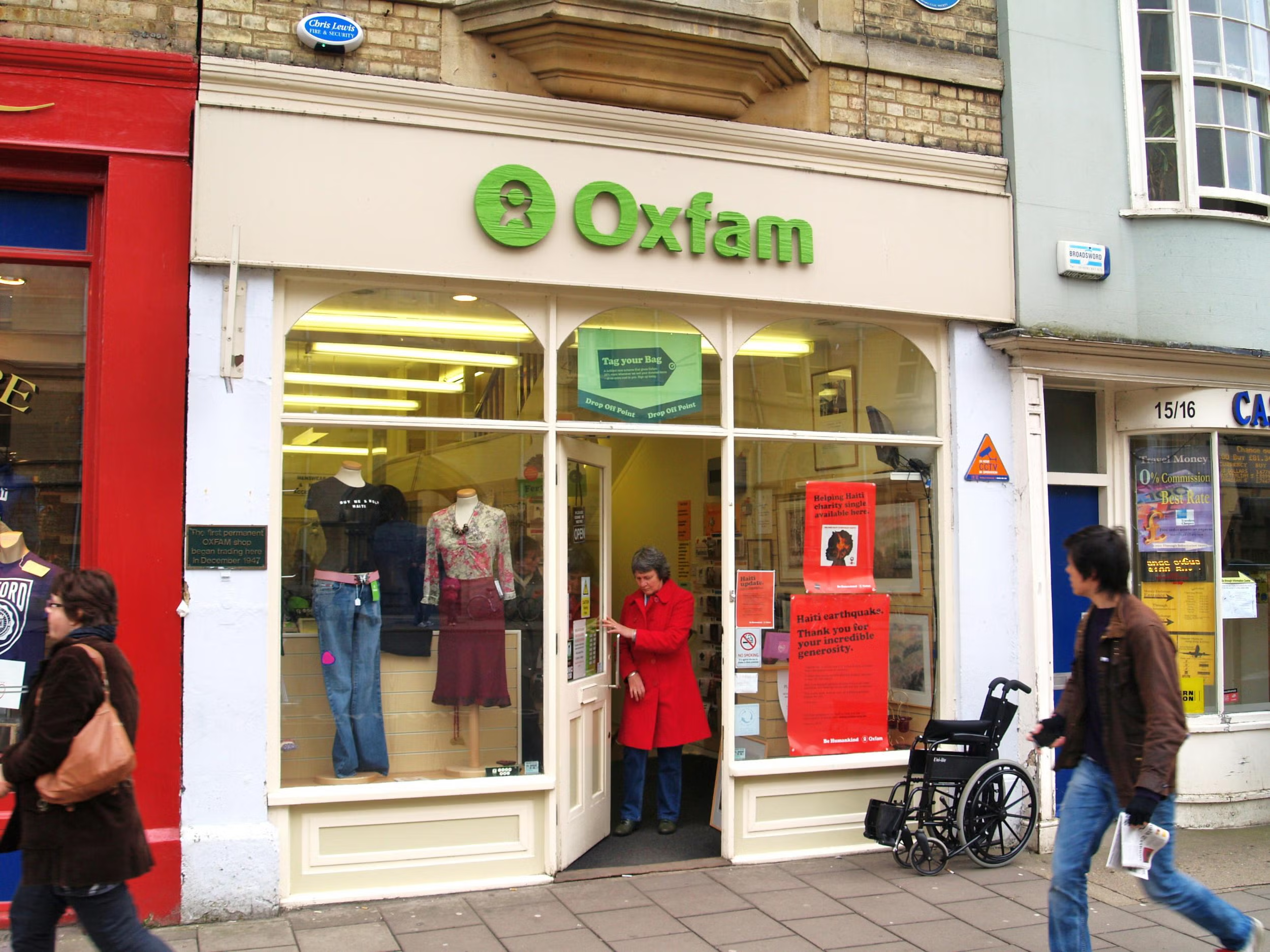
Key initiatives in gender justice include:
Promoting women’s economic empowerment: Oxfam empowers women to engage in business, assists women to access markets, and campaigns for women’s rights to be paid equal to men and for employment equity for women.
Fighting gender-based violence: Oxfam seeks to address and mitigate GBV, and assist survivors; as well as campaign for better laws protecting women and girls.
Challenging harmful gender norms: Oxfam’s education and advocacy work seeks to change the social norms that allow gender inequality to persist in the form of child marriage, FGM, and discrimination in education and employment.
Climate Justice: The Vulnerable Groups
Climate change is affecting the global poor and the vulnerable more than anyone else, thereby deepening the existing social inequalities. Oxfam International is a confederation of 20 independent organizations that work together to fight climate injustice and call for immediate climate action.
Through its climate justice programs, Oxfam:
Supports climate-resilient livelihoods: Through its Climate Justice programme, Oxfam assists communities to mitigate the impacts of climate change by supporting sustainable agriculture, water management and construction of climate resilient structures.
Advocates for global climate action: Oxfam advocates for higher levels of international ambition in cutting carbon emissions and ensuring companies are held to responsibility for their pollution. Oxfam also calls for climate finance to enable the development of climate change impacts in the developing countries.
Promotes environmental justice: Oxfam engages in the promotion of the voices of the affected communities in climate change discussions and the promotion of fair and just solutions.
The Case for Collaboration: Partnerships for Sustainable Systems Change
The organisation that Oxfam is a part of has established its global network on the principle that change is possible only through collaboration. From community mobilisation to mass advocacy and advocacy campaigns, from humanitarian emergencies to advocacy campaigns, Oxfam and its allies are committed to the struggle against inequality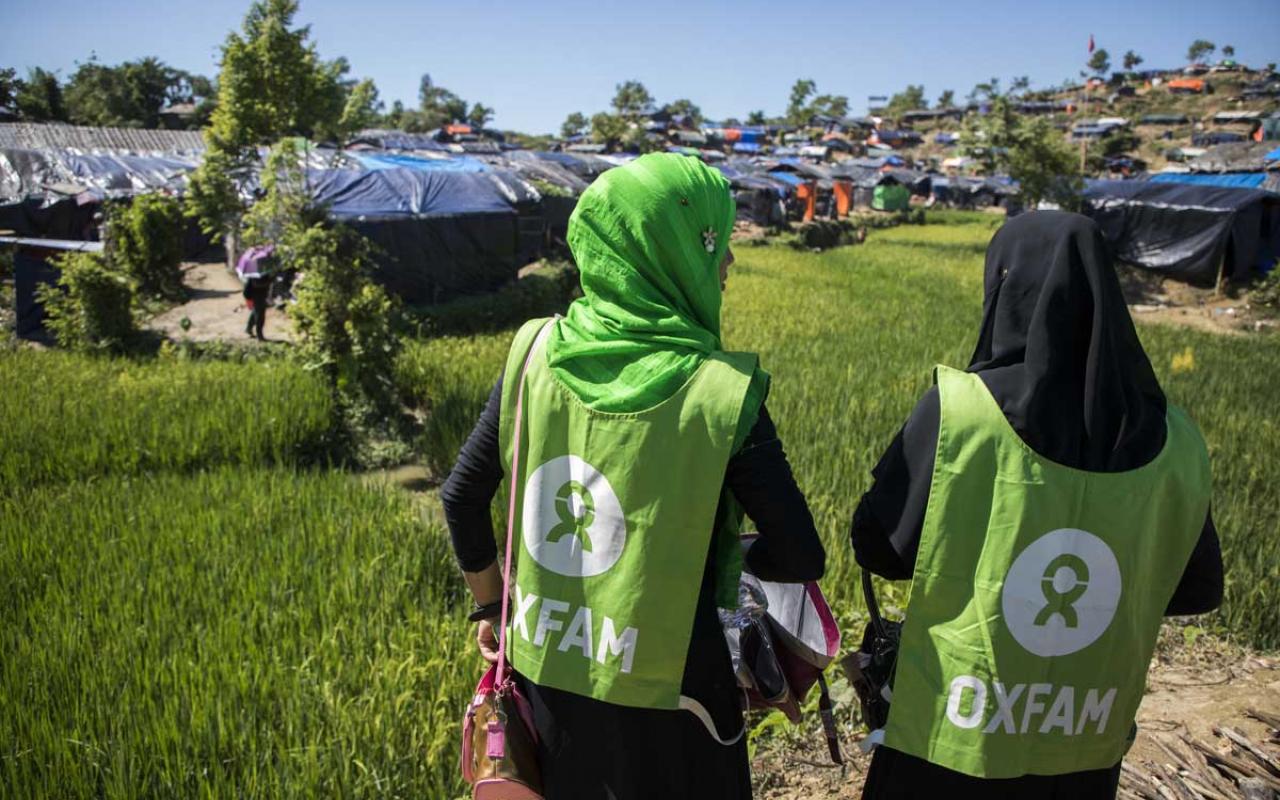
Oxfam’s approach emphasizes collaboration at every level:
Local partnerships: Oxfam is involved in implementing projects with local implementing partners to meet the needs of the targeted communities. Such partnerships help Oxfam to undertake its work in a culturally sensitive manner and in a manner that is sustainable in the long run.
Global advocacy: Oxfam employs its global voice to advocate for change on these issues, and to lobby for policies that will empower the less fortunate. Whether it is on the issue of debt relief for the world’s poorest countries or on the issue of corporate governance and responsibility, Oxfam is listened to at the topmost levels of policy-making.
Public engagement: Oxfam’s international campaigns mobilise millions of people for change for a better world. From climate marches to petitions for workers’ rights, people around the world are standing with Oxfam to make things better.
Conclusion: Fighting Inequality, Together
Oxfam is a global movement of people working together to end the injustices that cause poverty. Through collaboration and system change, Oxfam and its partners are supporting a global campaign for a just society. Economic justice, gender equality, climate action, and local power are the ways Oxfam is working to end the injustice that prevents people from reaching their potential.
To support Oxfam is to be a part of the change that involves people from all over the world who are determined to make the world a better place where inequality is not an issue that defines people’s worth and their ability to progress in life.