Mandarin oranges, tangerines, or Satsumas, and kumquats are the parents of the cold-hardy citrus trees known as calamondins. Mandarin oranges are also known as Citrus reticulata. Kumquats are also known as Satsumas. These trees are able to survive temperatures as low as -6 degrees Celsius, which is equivalent to 20 degrees Fahrenheit (Fortunella margarita). Around the year 1900, citrus trees native to China that are capable of producing calamondin fruit were brought to the United States of America.
You can get a head start by planting an orange tree in a container that has a diameter of 10 to 12 inches. When the plant has outgrown the container it is currently in, you can continue to repot it into containers that are either one or two sizes larger. When working with mature trees, a large container with a diameter of between 18 and 24 inches should be used. It is very important to make sure that the bottoms of the pots have drainage holes in them.
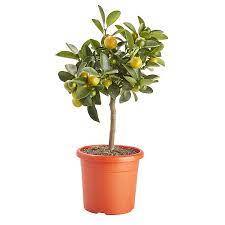
Total price: £19
Calamondins can be eaten in their whole form without any problems. Because their size is comparable to that of a large cherry, these tiny citrus fruits are an excellent choice for snacking because they are so convenient to carry around. Utilize fresh calamondin in very similar ways to how you would use lemon, lime, or orange when you are looking to achieve the sour and tangy flavour profile of citrus. To find the most suitable Calamondin orange tree just visit the B&Q website.