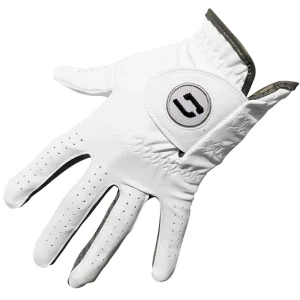
A glove is a piece of clothing that covers the hand. Typically, gloves will feature individual sheaths or apertures for each finger, as well as one for the thumb.
Fingerless gloves are those that have an aperture for the hand but either no covering sheath at all or a very short one for each individual finger. Gauntlets are commonly used to refer to fingerless gloves with a single small opening rather than multiple openings for each finger. However, gauntlets do not need to be fingerless in order to be termed gauntlets.
Mittens are a type of glove that completely envelops the hand or the fist but does not feature individual finger openings or sheaths for the fingers. Mittens are warmer than other styles of gloves made of the same material because the fingers stay warmer when they are in contact with each other, and the lower surface area of the mittens reduces the amount of heat that is lost by convection.
Gloves provide the hands with protection and relief from a wide variety of potential hazards, including disease, injury caused by friction, abrasion, or chemicals, and hot temperatures. Gloves also shield the hands from high temperatures. Gloves offer an additional layer of defence against the harmful effects of heat on the hands. Gloves are an additional tool that can be used in the fight to prevent the transmission of infectious diseases. On the other hand, gloves offer some kind of protection for items that should not be handled with bare hands but should be done so while wearing gloves instead. These kinds of items include chemicals, sharp objects, and radioactive materials. Among these items are those that are known to contain potentially harmful chemicals or radioactive materials. This category includes a wide variety of things, including chemicals, blades, and radioactive elements, as some examples of the types of things that are included.
Total price: £10.69
Gloves are a sort of protective clothing that are worn on the hands and wrists, and they often contain specialised slots or pockets for each of the wearer’s fingers. Gloves can be worn to protect the hands and wrists from a variety of hazardous situations. Gloves are a great tool for protecting the hands and wrists from a wide range of potential dangers. The majority of gloves are either made of leather or synthetic materials, both of which are forms of construction materials. There is no difference between mitts and gloves; they are both referring to the same item. Gloves are used for a variety of purposes, some of which include protecting one’s hands from getting cold or wet, keeping one’s hands warm and dry, and preventing one’s hands from being cold or wet. Other justifications include the necessity of protecting one’s hands in order to carry out particular activities. To find the most suitable Gloves just visit the Druids website.