How does an LED bulb work?
When an electrical current is passed through a semiconductor material, it releases photons, or tiny particles of light. LED bulbs take advantage of this effect by using a semiconductor material to create light. The semiconductor material is typically made from a compound of carbon and silicon, and it is this material that gives LED bulbs their distinctive shape.
To create light, electricity is passed through the semiconductor material, which causes electrons to be excited and release photons. The photons then travel through the bulb, where they are converted into visible light. LED bulbs are highly efficient because they do not produce any heat as a by-product of light production.
This makes them much cooler to the touch than incandescent bulbs and helps to improve their lifespan. LED bulbs are also more durable than traditional bulbs, so they are less likely to break if dropped or bumped.
You can discover more Bulb’s at Diydirect.
Find the product image below of C37 led candle bulb by Diydirect:
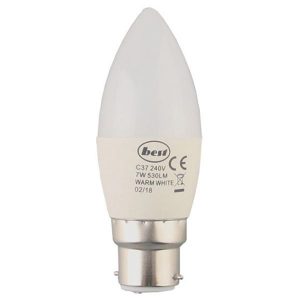
Total price: £2.59
Find the product image below of Gu10 power led bulb by Diydirect:
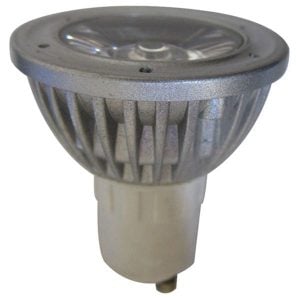
Total price: £3.98
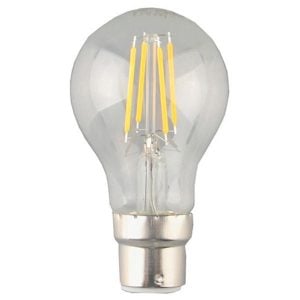
Find the product image below of GLS led filament bulb by Diydirect: